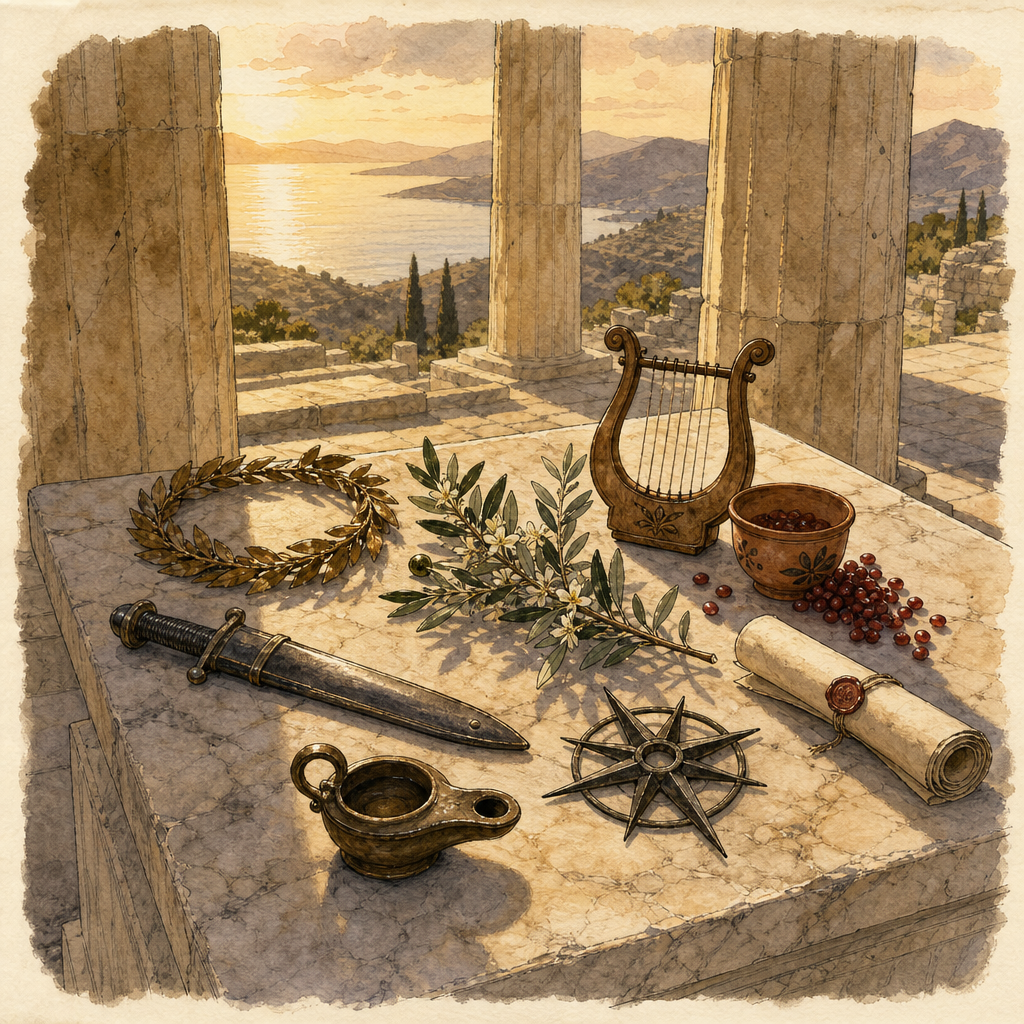
Which Greek god are you?
Eight gods, eight ways of running a life. Ten questions, one read on which of the eight is actually running your show when the stakes get mythic.
No sign-up needed · Share your archetype with friends
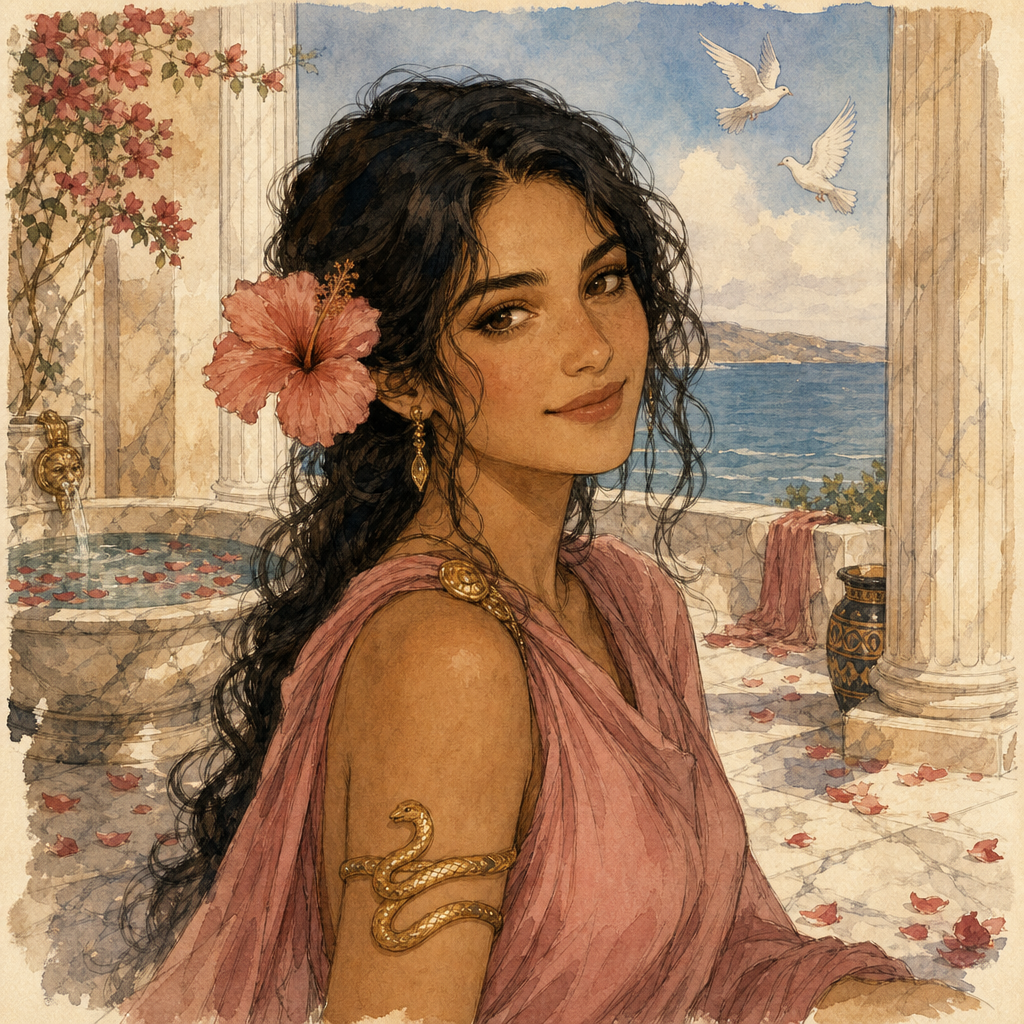
The one who refuses to apologize for wanting beauty, pleasure, love. The friend who reads the room's desires before anyone has spoken.
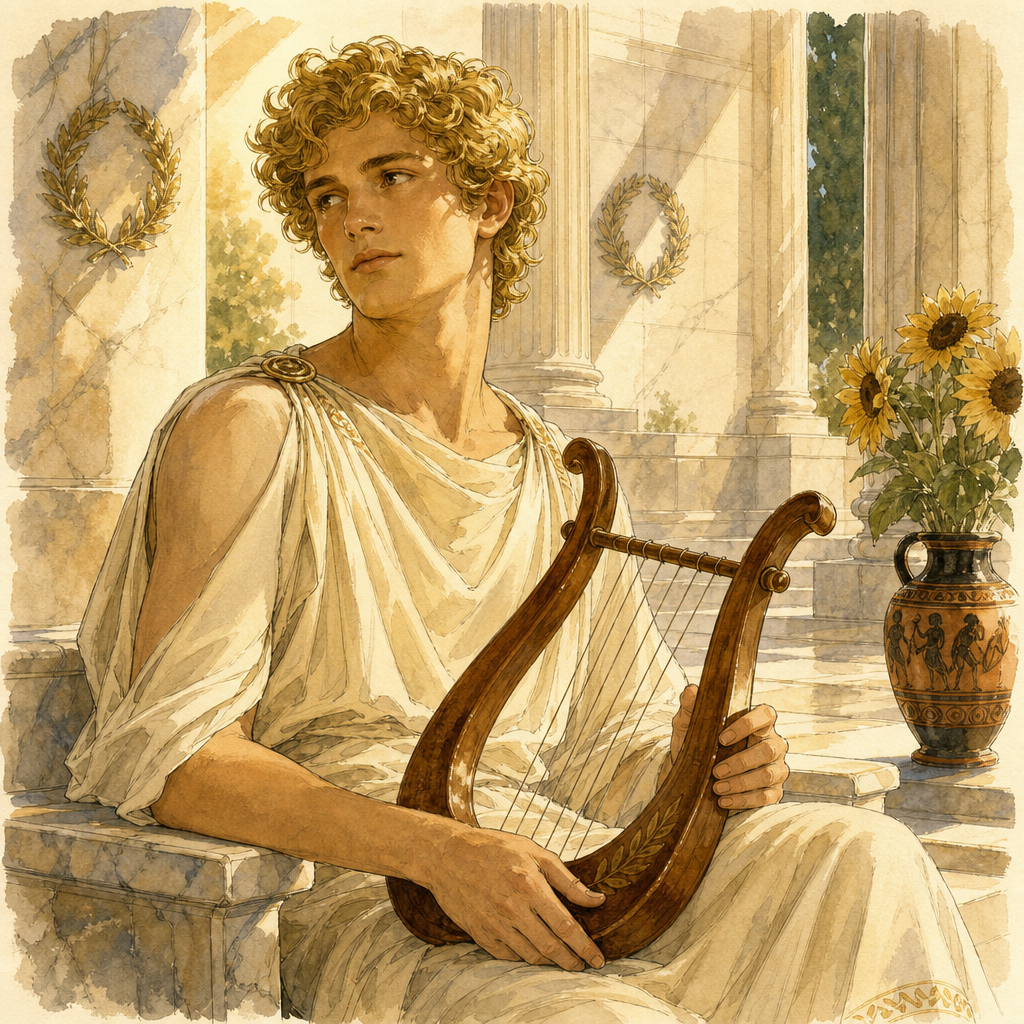
The artist who needs the work to be beautiful or it's not worth doing. The friend whose taste is so specific it's almost a moral position.

The fiercely independent one who doesn't need to be saved. The friend who'd rather be in the woods than in your group chat.

The strategist who's already three moves ahead and would rather think than fight. The friend whose intelligence is a weapon she's careful with.
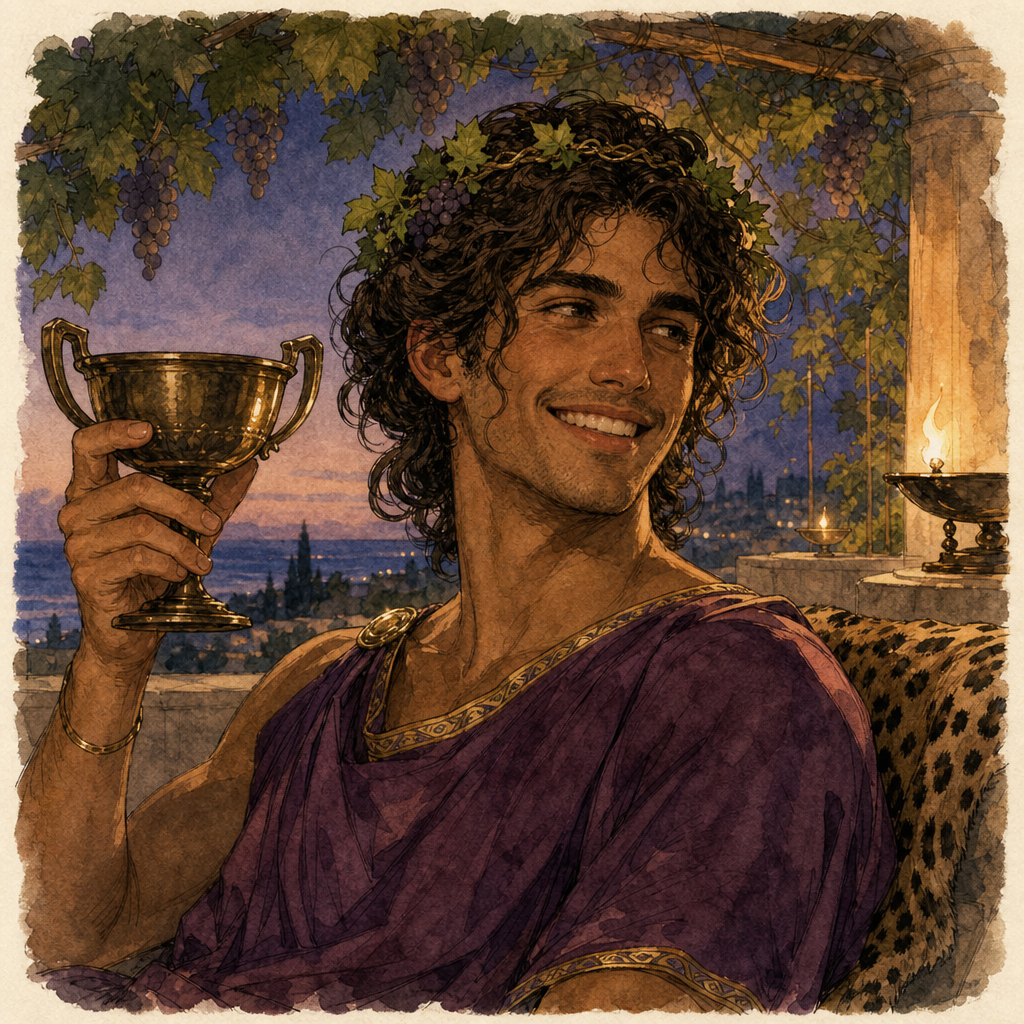
The party with depth. The friend who can hold ecstasy and grief in the same room because they're the same room.
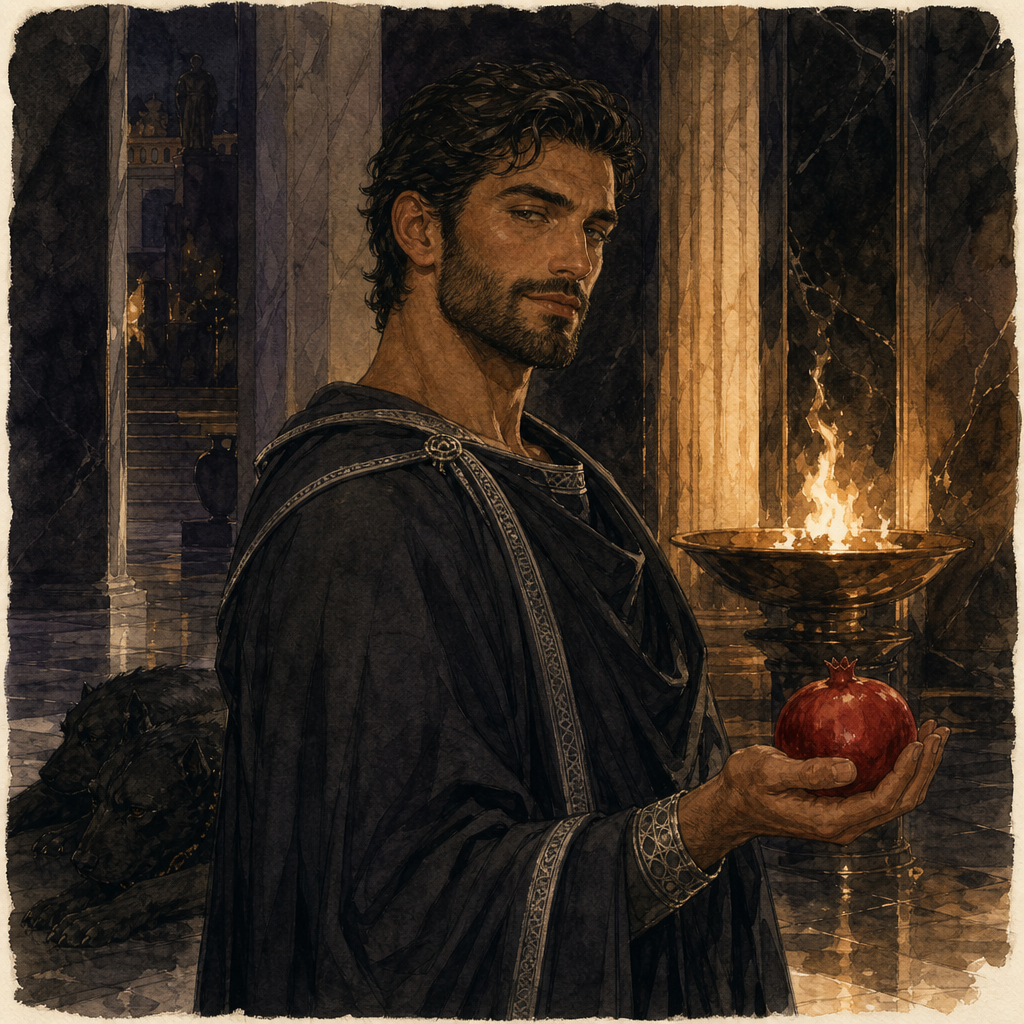
The introspective one who lives in the deeper currents. The friend who knows what your loss actually feels like because he's been there.
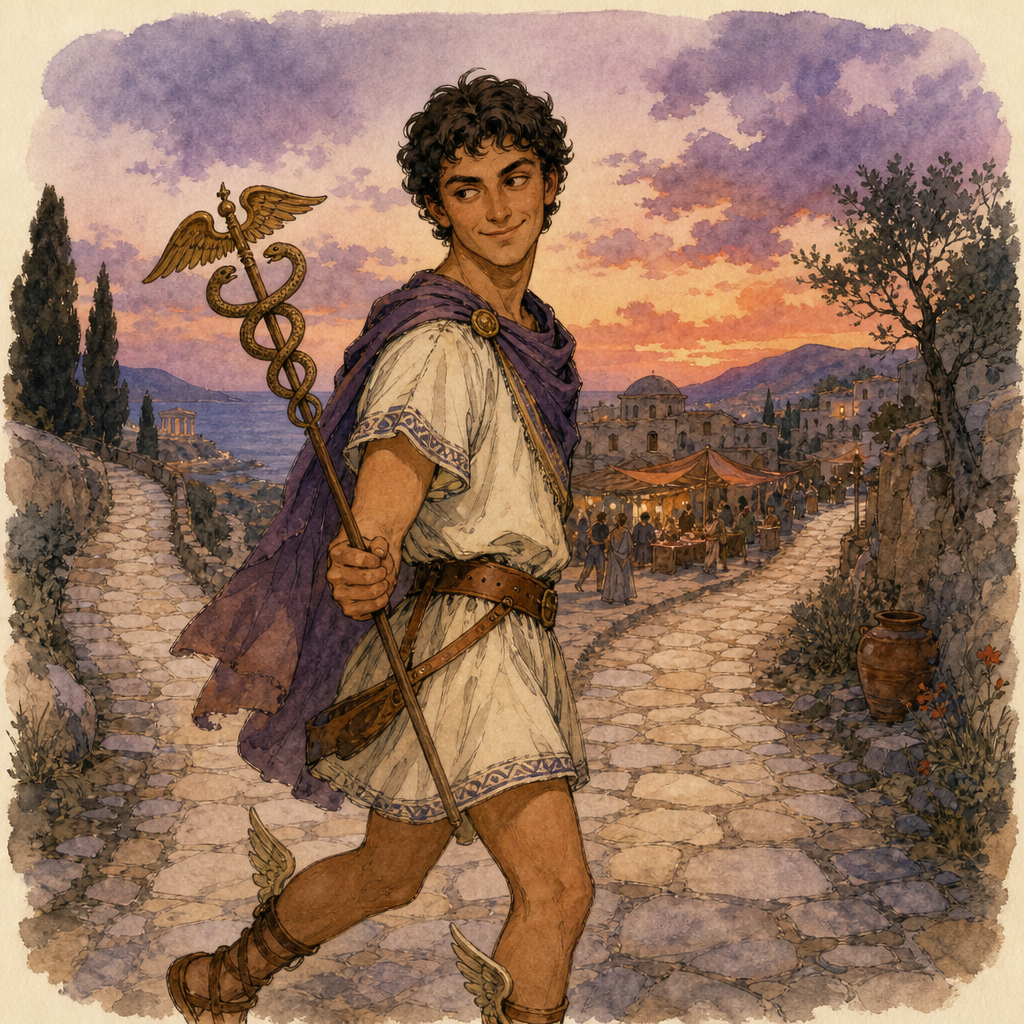
The fast-talker who's already in the next conversation. The friend who knows everyone and connects people who didn't know they should meet.
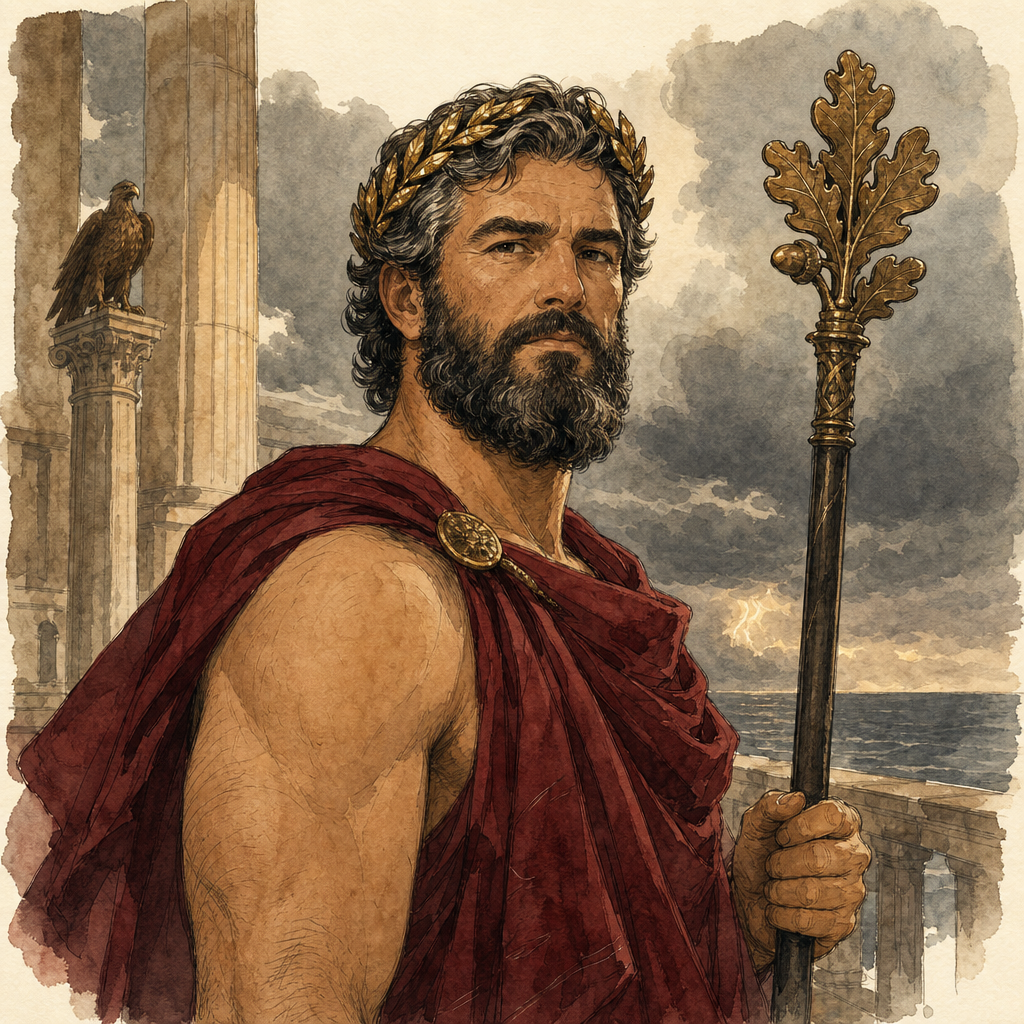
The natural leader who walks into the room and changes the temperature. Ambition without compromise, charisma without apology. The friend who's used to getting his way.
The eight major Olympian gods we still talk about are personality archetypes wearing chitons. Zeus is the part of you that commands. Athena is the part that strategizes. Apollo is the part that perfects. Artemis is the part that withdraws. Aphrodite is the part that wants. Hermes is the part that connects. Hades is the part that knows the depths. Dionysus is the part that turns the ordinary into the sacred. Most people are blends — but one usually wins, and this quiz finds the one that runs the show when the wine is open and the truth comes out.
What each god actually means
The Olympian gods have been useful archetypes for three thousand years because they map cleanly onto eight specific temperamental patterns. The myths are not history; they're psychological scaffolding — eight ways the human personality organizes itself, dressed up in thunder and sea-foam. Pick the right one and you'll recognize yourself.
- Zeus — the natural leader who walks in and changes the room. Charisma without apology, ambition without compromise. The friend whose presence at the table changes the conversation.
- Athena — the strategist who sees the whole board. Wisdom as a discipline; intelligence as a weapon she's careful with. Speaks in a meeting and the meeting goes a different direction.
- Apollo — the artist who needs the work to be beautiful or it's not worth doing. Taste as a moral position. The friend whose standards are how he loves.
- Artemis — the fiercely independent one who doesn't need to be saved. The friend who'd rather be in the woods than in your group chat. Reserved, not distant.
- Aphrodite — the one who refuses to apologize for wanting beauty, pleasure, love. Tends the surface the way other people tend a garden — because tending things refuses the world's grayness.
- Hermes — the fast-talker already in the next conversation. Knows everyone, crosses every lane, makes the unlikely connection happen. Faster than the room.
- Hades — the introspective one who lives a layer deeper than everyone else seems to. Doesn't perform okay when he isn't. The friend you call at 2am because he won't flinch.
- Dionysus — the party with depth. Holds ecstasy and grief in the same room because they're the same room. Turns the ordinary into the sacred.
How this quiz works
Ten questions. Each one drops you into a small specific scenario — the kind of thing that actually tests temperament. Each of the four answers is something one of the gods would actually do. There are no generically correct choices. The trick is being honest about which one you'd really pick when the wine's open and the truth comes out.
Each answer is weighted toward one or two of the gods. Pick consistently for one and you'll land cleanly. Mix it up — most people do — and you'll get the god who won the most votes, with a hint at your second-strongest pull.
Is this an actual religious test?
No. This is a personality quiz using the Greek pantheon as shorthand for eight real temperamental patterns. The myths are old scaffolding for understanding the human person; the quiz uses that scaffolding to give you a friendly read on the part of you that's running the show when the stakes get mythic.
What does it mean to be a Zeus?
Zeus is the personality that commands. Charismatic, commanding, ambitious, prideful. Walks in and the room arranges itself. His gift is making decisions other people would have outsourced; his blind spot is mistaking being heard for being right.
What does it mean to be an Athena?
Athena is the personality that strategizes. Wise, strategic, principled, formidable. Sees three moves ahead. Her gift is defending with precision rather than brute force; her blind spot is holding back warmth past the point where it would have helped.
What does it mean to be a Dionysus?
Dionysus is the personality that turns the ordinary into the sacred. Ecstatic, deep, theatrical, generous. Holds grief and joy in the same room because they're the same room. His gift is refusing the flat version of a life; his blind spot is letting intensity tip into burnout.
Is this based on actual Greek mythology?
The personality readings draw on the temperamental patterns the Greek gods represented in myth, but the quiz isn't a religious test or a piece of classical scholarship. The myths are useful as eight archetypal patterns of how the human personality organizes itself. Use them that way.
Can I be a mix of gods?
Yes — most people are. Your result will show which god you tilt toward, with a hint about your second-strongest pull. An Athena-Apollo is a different person from an Athena-Hermes. The dominant archetype is the one running the show when the wine's open and the truth comes out.
Why no Hera, Ares, Poseidon, or Hephaestus?
We picked the eight that map onto the most archetypally distinct temperamental patterns. Hera overlaps too much with Zeus in temperament; Ares overlaps with Zeus and Artemis; Poseidon overlaps with Zeus and Hades; Hephaestus overlaps with Apollo. Including them would muddle the read. You can think of yours as a hybrid if it helps.
Which Greek god is the best?
All of them, depending on the situation. Zeus is who you want defending the kingdom. Athena is who you want planning the defense. Apollo is who you want making the thing beautiful. Artemis is who you want when the woods get scary. Aphrodite is who you want when the room needs warmth. Hermes is who you want when you need a guy. Hades is who you want at 2am. Dionysus is who you want hosting the night that ends up mattering.